Cities face a double challenge: available space is becoming scarce, while increasingly extreme weather conditions are putting our water systems under pressure. Ciril believes that smart urban projects can address both issues in one movement. With a clear sustainability compass – the PSA tool – we translate our vision into measurable on-site actions.
“Sustainable building practices go beyond insulation and solar panels. It’s also about every drop of water and every square metre of city we reinvent.”
Pieter Vanhout, CEO of Ciril
A compass for future-proof construction
The PSA tool examines eight themes – from energy and water to biodiversity and social value – and links them to concrete objectives. For each project, this results in an action plan aimed at achieving the highest possible sustainability score across all themes. In this article, the focus is on two closely connected themes: water management and responsible land use.
Water: every drop counts for the environment and the user
Ciril handles the use and consumption of tap, rain, and groundwater smartly. Recently, cradle-to-cradle certified Grohe mixers have been installed in kitchens and bathrooms. They are sustainably designed and produced, and significantly reduce water flow without compromising comfort.
Even before stricter legislation came into force – but out of its own sustainability conviction – Ciril had already been implementing rainwater recovery systems. In many projects, rainwater is collected in large underground buffers to flush toilets and water green areas. At ground level, swales capture heavy rainfall so water can gradually infiltrate the soil. Superfluous paving disappears, allowing rainwater to find its natural course again and giving the city a greener look.
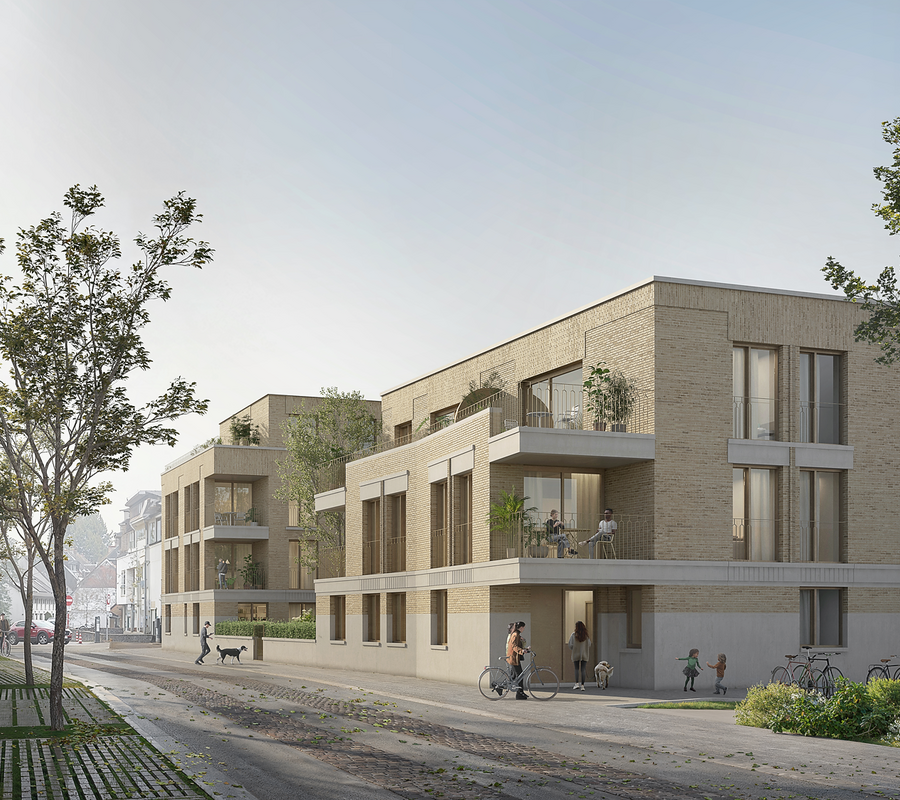
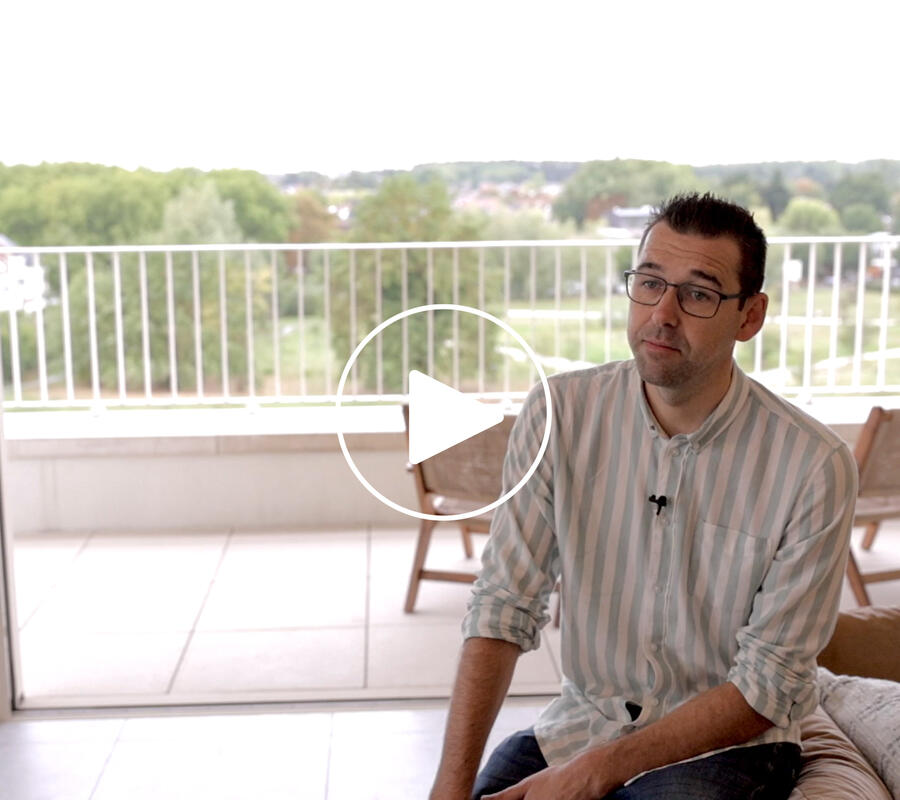
“In Stadsterras, we can capture more than 250 cubic metres of water during heavy rainfall. This relieves the sewage system and replenishes the groundwater table.”
Tom Claes, Project Coordinator Ciril
Also in Stadsterras Mortsel, fire-truck and moving routes were designed in grass gravel, making them accessible yet green and permeable.
Space: building in harmony with city and nature
Ciril firmly opts for inner-city redevelopment. This preserves open space and gives neglected sites a second life. Outdoor designs integrate climate-adaptive principles: no peat in the soil, but native trees that provide shade and encourage evaporation. Insect hotels, hedgehog houses, and nesting boxes strengthen the local ecosystem, while shielded light fixtures protect nocturnal wildlife.
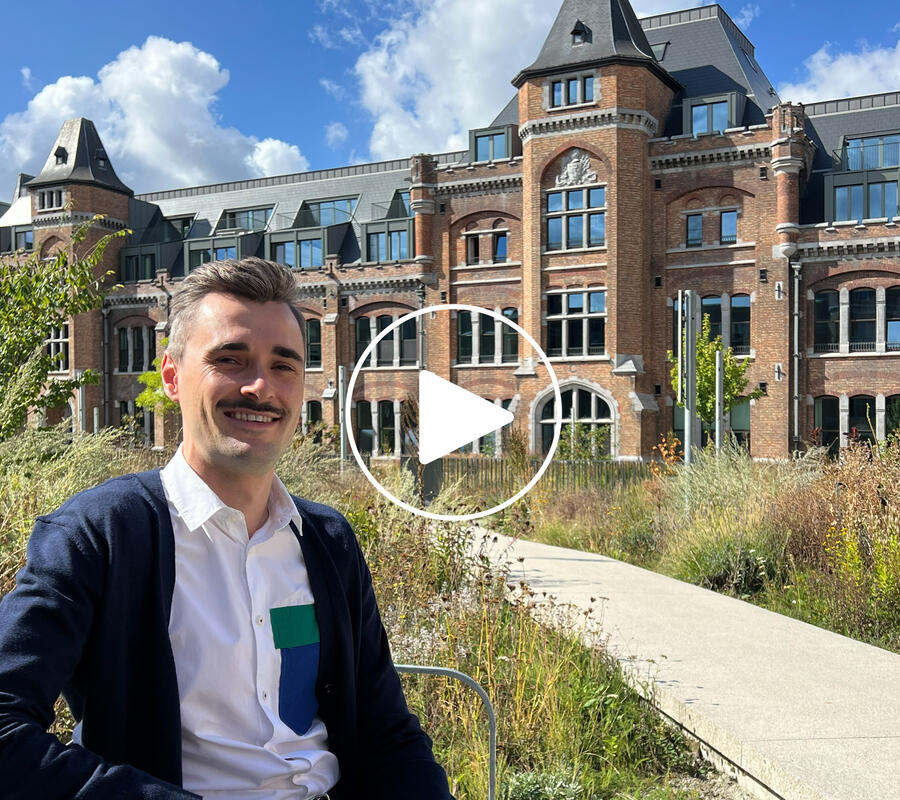
A concrete example is De Kazerne in Ghent, where the former military parade ground has been largely de-paved and greened. Two shared inner gardens now flank the renewed square, filled with native plants that improve the microclimate, enhance biodiversity, and give the neighbourhood breathing space.
"De Kazerne is a fine example of inner-city redevelopment: a former military complex transformed into a vibrant, liveable neighbourhood with more biodiversity and a mix of new functions."
Loïc Tybaert, Project Developer Ciril
At Stadsterras, the adjoining Oude God Park extends seamlessly into the project, merging existing and new greenery so that the park effectively becomes larger.
Looking ahead together with the sector
De Kazerne and Stadsterras demonstrate how integrated water management and thoughtful land use reinforce each other. By building on existing urban sites while supporting ecosystems, Ciril proves that sustainability is not a collection of isolated actions but a coherent vision. This approach benefits residents today – and hopefully inspires others to go further tomorrow.
Do you have questions or ideas for the next step toward a future-fit society?
We’d love to hear from you – together, we’ll keep pushing the boundaries of sustainable building.