The energy transition is in full swing. Stricter regulations, fluctuating energy prices, and a growing demand for sustainable housing are pushing the real estate sector to adapt. At Ciril, we don’t see this as a challenge but as an opportunity. With a forward-thinking vision on energy-efficient construction, we take responsibility and fully commit to gas-free, energy-efficient projects. But what does that mean in practice? And how do our residents benefit?
A vision that goes beyond regulations
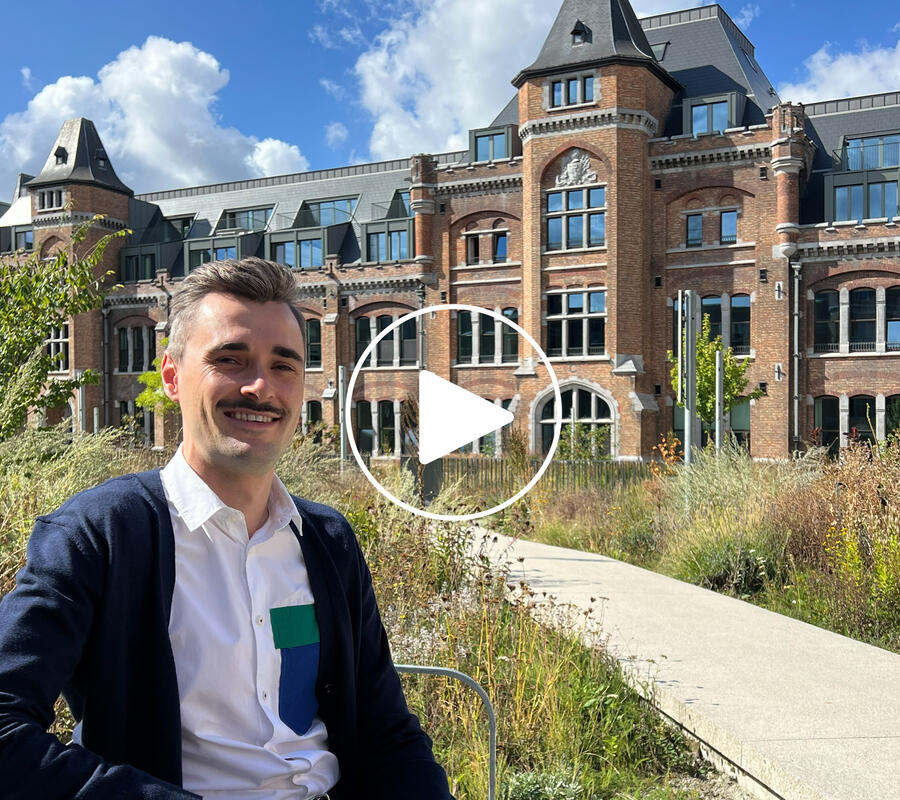
“For us, sustainable construction is not an option — it's a necessity,” says Pieter Vanhout, CEO of Ciril. “We look beyond current legislation and design buildings that are not only energy-efficient today but will remain so throughout their entire lifecycle.” We translate that ambition into concrete actions. While gas-free construction has become the norm, we go further with smart applications of heat pumps, solar panels, and other renewable energy sources. A prime example is our Auguste project in Brussels. During the construction phase, solar energy was used to power the site, resulting in lower energy consumption during execution. Afterward, the installation was offered to residents, along with the benefit of green energy certificates. Auguste also features a collective heating system that can be upgraded in the future with heat pumps and other sustainable technologies, anticipating a fossil-free future.
"Sustainable construction is not an option for us — it's a must. We look beyond current legislation and design buildings that are not only energy-efficient today, but remain so throughout their entire lifecycle."
Pieter Vanhout, CEO of Ciril
Fossil-free heating as the new standard
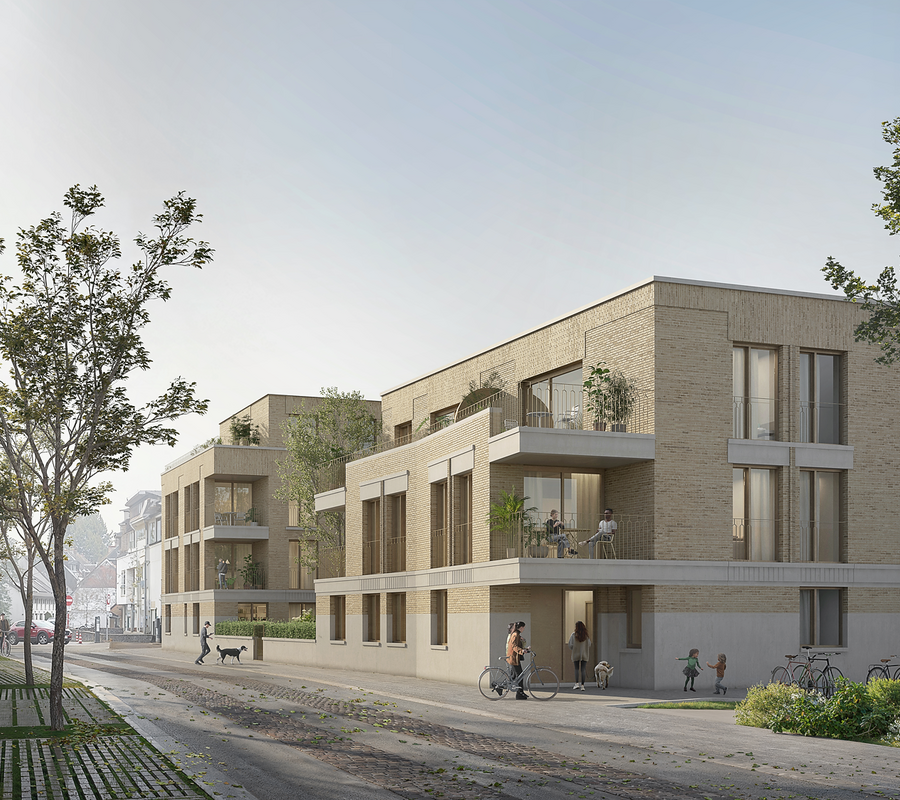
Project Maarten in Mechelen is another prime example of our energy vision. There, we went even further than the original permit by switching completely to electric heating via individual air-to-water heat pumps. This provides several advantages: lower and more efficient consumption, less maintenance, and no mandatory inspections. Additionally, a heat pump operates at a low temperature, avoiding peak consumption and extra costs.
This choice results in a future-proof building and significant savings on residents' energy bills. For the final phase of Maarten, we’re currently exploring how to maximize available roof space for additional solar panels — giving residents the opportunity to generate their own green energy and combine it smartly with their heat pump.
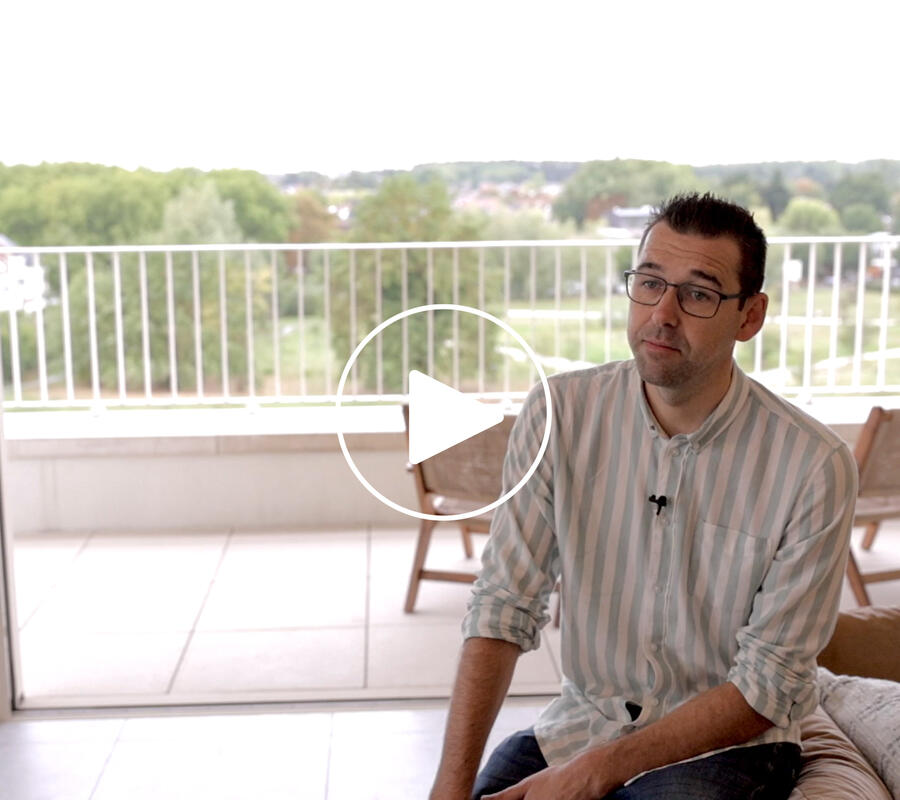
A buyer from Maarten shared: “The choice for this home was easy. The fact that it’s heated without fossil fuels gave me the certainty that I was investing in a future-proof apartment.”
Concrete impact per project
At Ciril, we apply a rigorous approach to reducing CO2 emissions. We calculate the total carbon impact of each project using a Life Cycle Carbon Calculation (LCC) and actively adjust where needed. This has already led to a minimum reduction of 35%. A strong example is Brouwmeester in Werchter.
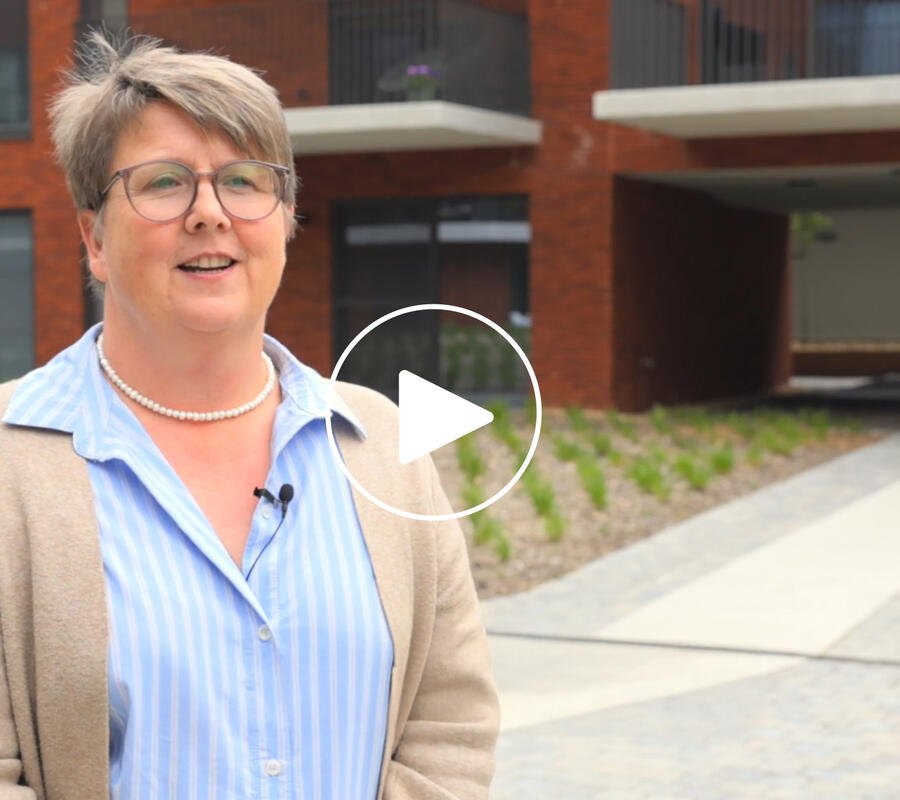
“There, we installed air-to-water heat pumps as standard and offered residents the option to install solar panels,” says project manager Siska Beghin. “If the upfront investment was too large for buyers, we pre-installed cables between the roof and apartment, allowing solar panels to be added later.”
The result? 91% of buyers opted in, and together we created apartments with exceptionally low energy costs — and even a few with a negative energy score. Residents consume less energy than they generate, which not only lowers their bills but also reduces their cadastral income for five years.
These strong energy performances were achieved thanks to the commitment of our construction team, the architects, and the residents, all of whom fully embraced sustainability.
"In the Brouwmeester project, we installed air-to-water heat pumps and solar panels. This allowed us to create apartments with exceptionally low energy costs — and even some with a negative energy rating."
Siska Beghin, Project Manager at Ciril
Energy-efficient living, now and in the future
Sustainable living at Ciril goes beyond saving energy. It means lower monthly costs, a stable indoor climate, and a future-proof investment. This also extends to mobility. At Brouwmeester, we explored how to install EV charging stations in the underground parking garage. In collaboration with the grid operator, fire department, and installer, we received approval for a smart installation on one shared meter with limited capacity and dynamic load balancing. At delivery, 73% of the maximum charging capacity was already installed, with room to expand further through the building’s syndic.
“Our new-build apartments perform exceptionally well in terms of energy consumption,” says Gert Voets from Ciril. “That makes them attractive to buyers and investors alike — today and in the future.”